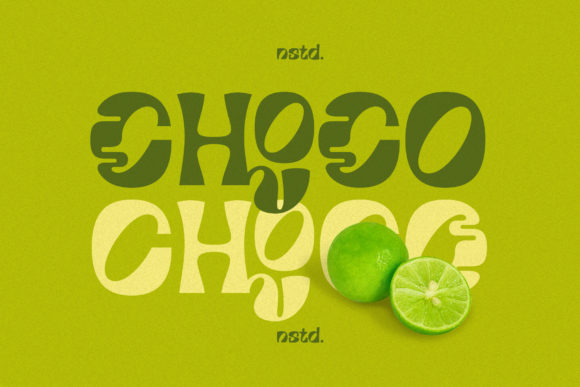
ChocoChoco: A Playful Display Font for Digital Creativity
When designing for the web, choosing the right typeface can transform a layout from ordinary to extraordinary. ChocoChoco is a display font that brings a whimsical and unique character to digital projects. Its design captures attention with its sweet and lively style, making it ideal for creative web experiences that stand out.
Visual Characteristics and Personality of ChocoChoco
ChocoChoco has a distinct personality that sets it apart from standard fonts. It features playful curves and unique letterforms that evoke a sense of joy and creativity. This makes it particularly well-suited for websites and digital products that aim to convey a fun and imaginative brand identity.
The font’s visual appeal lies in its balance between charm and clarity. While it may not be suitable for long blocks of text, it shines in short phrases, headings, and decorative accents. Its design ensures that even in larger sizes, the characters remain legible and visually engaging.
Applying ChocoChoco in Web Design
For website headers, hero sections, and landing pages, ChocoChoco can add a touch of personality without compromising readability. When used as a primary heading, it helps establish a strong visual hierarchy and draws the user’s eye immediately to key content.
In online shop banners or product landing pages, this font can enhance the visual appeal of promotional messages. It works especially well when paired with a clean sans serif font for body copy, creating a balanced contrast that supports both aesthetics and usability.
On coaching websites or course sales pages, ChocoChoco can help reinforce a brand tone that is approachable and inspiring. Its use in call-to-action buttons or section headings can subtly influence scanning behavior, encouraging users to engage with important content.
Readability and Layout Considerations
While ChocoChoco excels in display settings, it’s important to consider its performance on mobile screens. For smaller devices, ensure that the font size remains large enough to maintain legibility. Avoid using it in small buttons or dense text blocks where it might become difficult to read.
When working with dark backgrounds or image overlays, test the font’s visibility to ensure it stands out clearly. Using sufficient contrast and appropriate spacing will help maintain readability across different layouts and screen sizes.
Font Pairing and Brand Identity
Pairing ChocoChoco with a complementary font can enhance the overall design of a website. A simple sans serif font like Helvetica or Arial can serve as an excellent body text choice, providing a clean contrast to the playful nature of ChocoChoco.
For editorial or more professional digital identities, pairing it with a serif font such as Georgia or Times New Roman can create a balanced look that feels both creative and trustworthy. This combination allows the font to support a brand’s tone while maintaining a polished appearance.
Experimenting with font weights and alternates can also add depth to your design. Many display fonts offer multiple styles, and ChocoChoco is no exception. Exploring these variations can help you find the perfect match for your project’s needs.
Practical Applications and Use Cases
ChocoChoco is versatile enough to work in various contexts. On a creative portfolio site, it can highlight project titles and add a personal touch to the design. For a boutique online store, it can be used in banner headlines or promotional graphics to attract attention and encourage clicks.
In blog headers or social media graphics, this font can make headlines more engaging and visually appealing. Its use in digital ads or course pages can help reinforce a brand’s message with a memorable and friendly aesthetic.
When building a digital brand kit, including ChocoChoco as a signature font can contribute to a consistent online identity. It supports brand recognition by reinforcing a unique visual language across all digital assets.
Licensing and Technical Considerations
Before implementing ChocoChoco on a live website or client project, ensure that you have the appropriate commercial license. This is especially important for online stores, landing pages, or digital templates that require broader usage rights.
Check the available file formats, including webfont versions, to ensure compatibility with your design tools and platforms. Support for multilingual characters may also be relevant if your project targets a global audience.
Always verify that the font includes necessary styles, weights, and alternates to meet your design requirements. Having access to a full range of options can provide greater flexibility when crafting your web experience.
By thoughtfully integrating ChocoChoco into your digital projects, you can elevate the visual impact of your designs while maintaining a strong connection to your brand’s personality and goals.